Showing posts with label sauerkraut. Show all posts

Saturday, April 5, 2014

Garlic Cumin Sauerkraut Recipe, at last!


I have finally committed my recipe to paper/digital ink for your DIY pleasure. This is a first attempt, and I would welcome feedback on process, ingredients, or terminology. When I made this, I took it out of the crock pretty early for a light, sweeter kraut. The garlic at the level in the recipe will pack a serious punch, so adjust for your preference.

Allan’s Garlic-Cumin Sauerkraut
smartkraut.com

Ingredients:
  • 3-4 medium heads green cabbage
  • Up to 1/4 cup salt
  • 2-3 tablespoons cumin seeds
  • 12 cloves garlic

Optional ingredients:
  • beets
  • carrots
  • ginger
  • red pepper flakes

Steps:
  1. Shred cabbage thinly with a sharp kitchen knife or cabbage shredder (some have also had good results with a food processor)
  2. Cut additional vegetables and garlic to desired size, adjusting for crunch
  3. Place shredded cabbage and vegetables in a large bowl, salting moderately as you go
  4. Sprinkle cumin seeds over cabbage and vegetables
  5. Press or pound cabbage using any implement at hand, such as a potato masher or wooden spoon. Ideally you want to bruise it; this helps get more liquid out
  6. Leave salted, pressed cabbage to sit 1-2 hours
  7. Pack cabbage tightly into a fermentation vessel such as a jar or crock, pouring in any leftover liquid from the bowl
  8. Place a weight on top of packed cabbage (Options include a plate, another jar, or even a ziplock bag full of water; something you can press down on is ideal)
  9. The liquid level should eventually rise until it is above the cabbage. To prevent molding, it is important that the cabbage is submerged. If the liquid level has not risen high enough after 2 days, add some water with a small amount of salt dissolved in it.
  10. Let kraut rest 4-6 days (it should be bubbling at this point), then begin tasting regularly
  11. Once the kraut tastes the way you like it, refrigerate it to slow the fermentation process (otherwise it will keep getting more and more sour)
  12. Enjoy!

Wednesday, February 19, 2014

Sauerkraut Pictures!

Apologies for the absence and intermittent posting. Here are some pictures from a recent run of sauerkraut:

Raw cabbage - juicing up
The good stuff
 Shredded cabbage, beets, and carrots in this batch, maybe a turnip as well. Trying to keep it simple, but there are so many good vegetables to use out there!

Same batch in a Mason jar being tamped down
 As you can see from the photo I got myself a tamping tool. The one I got is actually meant for tamping down the middle of a delicate little pastry tart, but I think my employment of it is better. This is good not only when you're packing a jar but also when you have your initial pile of freshly shredded cabbage. Give it a full salting in a bowl and then set to work with the tamper. It's easier than just punching your knuckles down into the cabbage and it will get more juice coming out faster.

Finished product from an earlier batch - spicy ginger-carrot kraut
This ginger-carrot was really good. Crunchy, spicy, sweet, and sour at once. It makes me want to get back to making simple, small batches.

Tuesday, January 7, 2014

Christmas Goodies - a book and a crock

For Christmas, my mom gave me the latest book by Sandor Katz (!) and a 3 gallon crock (!!!). One can only imagine how much this will enable my fermentation hobby/habit. The book is long and packed with new techniques, advice, and illustrations. The crock arrived last night, and in combination with the book should lead to some real fun and some audacious experiments that go horribly awry! At the very least it quadruples my kraut making capacity. It will probably come into use for wild yeast wine ferments as well. Thank you mother, and I promise to share the results.


Updates:

-Over the weekend I racked the beet wine and sauerkraut cider to clean jugs. The sauerkraut cider has really mellowed and is coming into its own. It should soon be stable enough to bottle and age. This one is unique folks, and very exciting, even if I'm the only one willing to drink it.

-I also filled several bottles from the carboy of maple wine, which may be under a gallon in volume by now. I'm a little excited and a little worried because this means that equipment will be free for a 2-5 gallon batch of something. Any ideas?

-Using a bit of my original sourdough starter that went up to Massachusetts to my mom's house in November and came back to Maryland in January, I'm making real sourdough bread this week. I'm also coming off a successful baking of rustic Italian bread which had an excellent crust and moist crumb, so I may be overconfident about my bread skills.

-Last night I started a small batch of peach nectar, cider, and cranberries as an alcoholic ferment. It's on the counter to catch wild yeast as we speak.

Wednesday, December 25, 2013

Sauerkraut Hard Cider

As will happen in fermenting at home, I seem to have accidentally stumbled on a new way to make hard cider - with leftover sauerkraut juice.

I had just finished eating a batch of sauerkraut - laced with beets in my usual style - and there was leftover juice in the jar. Kraut juice is a precious thing, and not to be wasted. I added some cider, towards the end of making a drink out of the whole thing. The cider would hopefully mellow the somewhat harsh kraut juice. So I poured cider into the crock, then this happened:
Fermentation bubbles in the crock
It bubbled up! Alcohol was being created by the sauerkraut bacteria. I'm not sure why I didn't expect this, but it hadn't crossed my mind at all that the kraut organisms would cross over to winemaking activities. Naturally, I became curious and added more cider - topped it up to about a half gallon. Then let the bacteria do their work. It has since gone into an airlocked jug.

Initial tasters were not excited with the results! A round of trials at Thanksgiving yielded no one clamoring for more kraut cider. Too much saltiness and too much sauerkraut smell. I'm standing by my little kraut bacteria, and I have a feeling it will get better. I racked it once into a clean jug, with lots of dead yeast cells left behind. Those go into my special wine dregs container in the fridge. Meanwhile, the cider continues to mellow and hopefully improve with time. Here's to more happy accidents!


Friday, December 6, 2013

Updates

Another updates post because of how many things are going on in my fermentation world

-Fresh sauerkraut in the crock - packed full of savoy cabbage and red cabbage. This is a pretty simple batch - no beets - and I'm hoping that will translate into a cleaner, better flavor in the final product.

-The all wild yeast maple wine is all gone! We drank it at Thanksgiving in Boston, with gusto. It was delicious - exactly what I had hoped. Dry but not too dry, strong maple nose, a little bit of effervescence. The aging definitely benefited the wine. Makes me want to dive into making another batch of wild yeast stuff and aging it good and long.

-Beet wine went over pretty well at Thanksgiving. No clear consensus on what it actually tastes like. Some people swore they were getting too much beet, some couldn't taste beet at all. Many people thought it was funky and not altogether great. Some hopeful signs though, even some requests for a bottle. Someone made a blended spritzer out of it too, which came out good.

-Sauerkraut cider was kind of a dud. Too much sauerkraut flavor for everyone who tried it. The process will need refining.

-Distributed some sourdough starter to my mom - interested to see how it develops separately from the mother culture.

Thanks for reading!

Sunday, November 10, 2013

Fun weekend and updates

I found a cool beer and wine store in Bethesda on Saturday, and have acquired not only the venerable Weihenstephaner Vitus (referenced in my earlier beet wine tasting post), but a dry-hopped Woodchuck cider which promises to be an interesting mix of flavors.

Fermentation updates:

-Brought the Memorial Day mead to Boston, where it didn't go over great, probably due to its own overwhelming sourness from having sat on the spent yeast for too long. I am going to have to persevere with this stuff, since I have about a gallon and a half left in the carboy. I'm thinking of blending it or using it for cooking or vinegar

-The beet wine is ready for racking, which I hope to do later tonight. I'm also going to do an experiment where I add extra must to the spent yeast in the jug after I rack it. I want to see how much life is left in there. It's going to be a challenge not to drink the beet wine before it's ready; it looks and smells so good right now.

-I sunk some of the beets that were boiled to make the beet wine into my current sauerkraut batch. They've been in about two weeks, so I'm getting ready to dig them out and see how much the kraut juice has penetrated into the cooked beets. Hoping for some kind of pickling effect, but absent that I still don't think there's any downside.

-Made sourdough starter from scratch and baked with it this weekend! The stuff works, simply based on capturing wild yeast from the air. All credit to Sandor Katz's recipe in Wild Fermentation, the bible of my current projects. The bread was good, and plenty sour, but I'm already thinking of ways to improve it.

That's all for now!

Monday, September 9, 2013

17 or more Fermentation Possibilities, who's counting, really?

Potential future fermentation projects:

-Beer
-Kvass (Russian bread soda, basically)
-Beet kvass
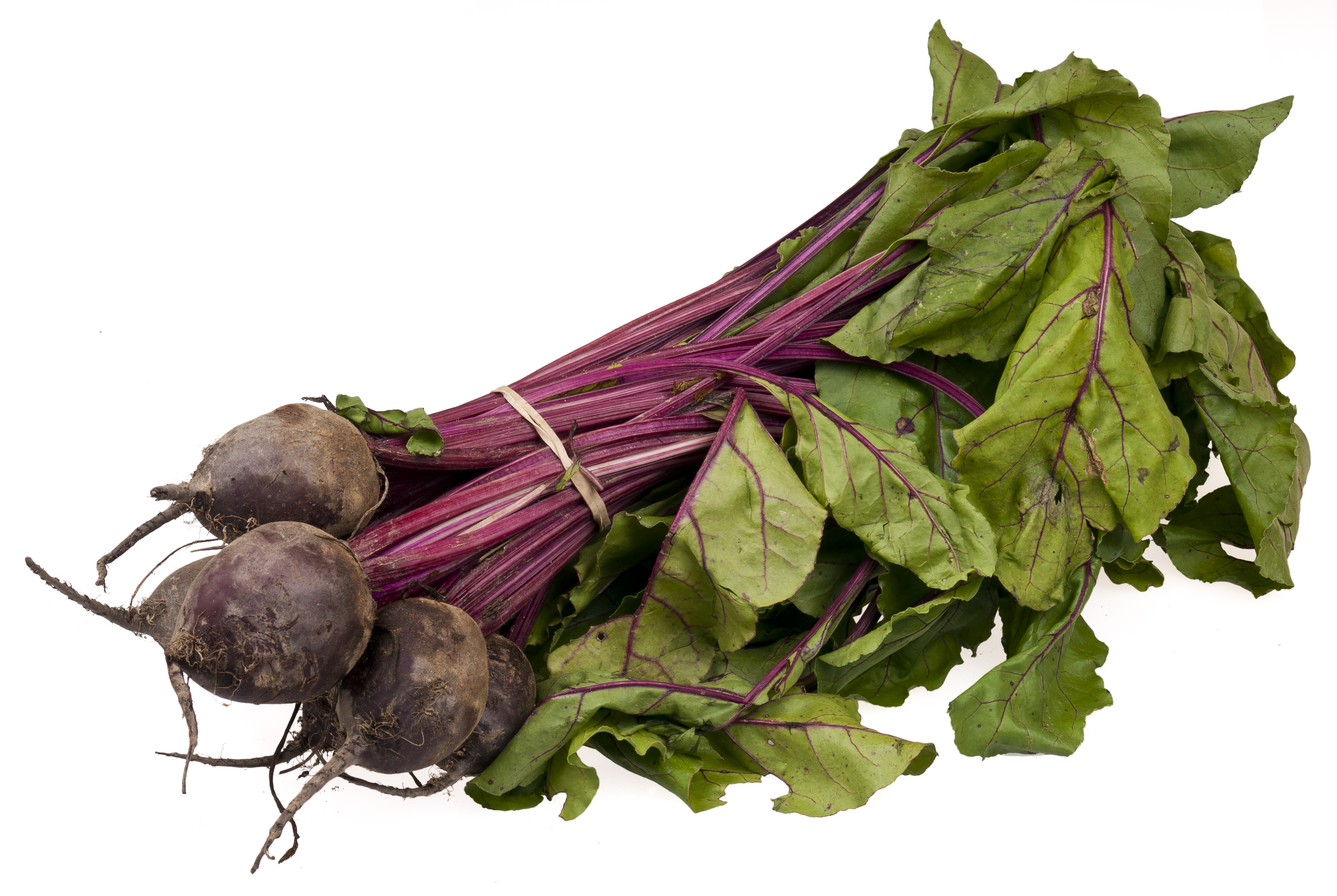
http://upload.wikimedia.org/wikipedia/commons/2/21/Beets-Bundle.jpg-All-beet kraut (or pickled beets, you might call it)
-Beet wine
-Beet hot sauce (sweet and hot)
-Fermented beet and corn salad (very close to becoming a real thing)
-Beet yogurt (getting the theme yet?)
-Tomato wine
-Sourdough pizza
-Fermented tomato sauce (we'll need this on our sourdough pizza)
-Fermented peach preserves
-Sour pickles
-Hard cider

-Beet hard cider (why not?!)
-Fermented ginger preserves
-Pickled potatoes
-kombucha
-Kefir!

Any more suggestions? I'm open for business.

Let's not hold back here. The possibilities are limitless, constrained only by imagination and equipment. People have laughed when I told them my plans. I understand fermentation is easy to dismiss as a mad scientist-type hobby without productive consequences. This is real, though. I'm going ahead with it anyway, but I want people to know that it's not a joke. There are vast opportunities for fun, financial savings, and health improvement. I plan to laugh all the way to a tasty bank of jars containing the products of my labor combined with friendly bacteria.

It's mostly for fun right now, but it feels good to have a modicum of skill that creates something you can eat and drink and give to people. It feels good to make your own. And when people laugh at you, you can go home to your pickled beets and feast until your lips turn red.

Also, let's not lie, it's fun to be able to make alcohol. It's not just fun, it's easy too. I'm a little short on jugs, but once I get my operation running, there's going to be a large quantity of wine in production. If you're nice to me, you'll be on the distribution list.

Saturday, July 27, 2013

Lactobacillus

The kraut. With carrots and cabbage and beets for color. The real magic is in the bacteria. Lactobacillus! Creating lactic acid and thus inhibiting the growth of harmful bacteria. It also provides the tangy, alive flavor I've come to love. Made in the home, consumed there, not for sale.

Wednesday, July 17, 2013

Fermenting for Life

Fermentation is the gift that keeps on giving. This sounds fatuous, but I promise you it's not. Making fermented food is about creating the conditions for new life to exist. It's about nurturing microbes. You make friends with the microbes, and they provide you with food and drink that is teeming with life and delicious to boot. It's a symbiotic relationship. The microbes also live in your intestines and protect you from harmful bacteria. You scratch their back, they scratch yours.

Making fermented foods is so cheap it's almost free! There are limited startup costs for equipment, which you can scale according to how fancy you want to get. There's no reason you can't start making sauerkraut right now with a head of cabbage, salt, and a jar. No need to get any more sophisticated than that. It's very forgiving of beginners and perfect for those who like to experiment.

Why aren't you doing it already?!

Progress Reports:

-Wild Yeast All-Maple Mead (went in on 6/16) is still bubbling up nicely. It has been tasted several times by Matt and I, with impressions all favorable so far. The fermentation is probably less vigorous than it would have been with refined yeast, but there is undeniably something going on in there. Also forming is a big clump of dead yeast on the bottom, which is why the meadmaker is advised to rack the mead to a new container (to get the mead off the spent yeast, which may be imparting yeasty flavors). I'm thinking about leaving it for a while. The big problem is going to be keeping myself from drinking the whole thing before it's ready. Age can only improve the product.

-Fresh batch of kraut is in the jar right now, with radishes, beets, red and white cabbage, and a moderate quantity of garlic. It smells great after 5 days, and may be ready for tasting soon. I favor frequent tasting, especially in the early stages when the flavor is still relatively mild. You get a sense of the evolution over time. This one is being kept in the basement because the air conditioning is off upstairs and the basement is the only consistently cool place in the house.

Saturday, June 29, 2013

Progress Report

In the primary fermenter: 3 gallon batch of Memorial Day Honey-Maple Mead.

In the 1 gallon small-batch testing jug: Wild Yeast All-Maple Mead (went in on 6/16)

In a recycled salsa jar in the fridge: Beet-Hot pepper spicy fermented chutney.

I had to throw out a batch of sauerkraut that went bad, sadly. I came back from Ghana to find it molded on top and smelling of serious rot. You can't win em' all. This is really my first setback in the sauerkraut arena- everything else has been coming up roses. I have fresh cabbage and beets stored in and am ready to dive into the next batch. Try, try again!

Wednesday, June 5, 2013

Some background

Here's my philosophy: you should try anything. Why not? Why shouldn't I throw some vegetables in a jar and let them sit out under brine for a few weeks, just to see what happens? Why shouldn't I be responsible for making my own food, rather than spending dollars to support a corporate food industry that is by all accounts unconcerned with the health of its customers? Why shouldn't I experiment?

If you make your own, in many ways you can taste the effort and the hand craft that went into it. You can go further towards being self-sufficient and running your own home economy. You can create flavors and smells which have never existed before in the world and are delicious to boot. You can keep traditional methods of food preparation alive for generations to come. You can do it all! Go forth and ferment.

All credit for any success I have in these endeavors goes to my parents for raising me the right way and teaching me to ask questions and be mindful of what I eat and where it comes from, to my brother the farmer for being ahead of the curve on everything sustainability-related and for inviting me to dinners at the Hive, and to Sandor Katz, whose recipe I used for my first batch of sauerkraut.

Wednesday, May 29, 2013

The schedule

After Monday, mead is in the primary fermenter and bubbling hard! Much more on this later, including pictures. Tonight I'm planning to make a quick ginger-carrot-cabbage ferment, just because I can't stand to not have vegetables pickling themselves in a jar in my kitchen. Perhaps to be made on the weekend: fermented salsa! The hits just keep on coming.